

Furnishing fabric by the metre north Glasgow
Off the bolt, into your window
Every curtain starts the same way: a length of cloth coming off a bolt.
Interior Pro Designers sells furnishing fabric by the metre — face cloth, linings, interlinings and the haberdashery that holds a curtain together — and makes it up into lined curtains and Roman blinds for the windows of north and north-east Glasgow. We work by appointment and by home visit. Sample cuttings come to your window, the window is measured where it stands, and the length is cut on its pattern repeat, made up and hung.
Ask for a measuring visit Plan your fabric
See the cloth first: cuttings by post
Follow one length down the page
unrolled
Off the bolt, by the metre
Fabric is the core of the business. Curtain-weight wovens, linen, wool, velvet with a cotton or a polyester pile, voiles and sheers, and the heavier upholstery-weight cloths are sold off the roll by the metre. Each comes with its fibre composition and its care: the textile labelling rules say that information must reach whoever buys the cloth, and for cloth sold by length it may be shown on the roll itself.
Behind the face go the layers nobody sees — cotton sateen, thermal and blackout linings, and the interlinings: bump, a thick cotton, or the lighter domette. Then the haberdashery: header tapes, buckram, hooks, gliders, penny weights and chain weight, and the rods, cord, cord locks and cleats a Roman blind is built from. People who sew their own curtains buy the same things the same way, with the cutting worked out for them.
measured
Measured at the window it is for
Nothing is cut until the window has been measured where it stands. For curtains that means the width at the track or pole line and the finished drop. For a blind that sits inside the opening it means the width of the recess at the top, the middle and the bottom, because old openings are seldom square and the narrowest of the three is the one that fits. We note the depth of the ingo — the Scots word for the reveal, where the stone turns in — the room either side for the curtains to stack back, what the wall is made of, and whatever is in the way: a radiator, a shutter box, a socket.
Three kinds of window share this part of the city. Sandstone tenement bays with sash and case windows and deep ingoes; the post-war multi-storey flats, among them the five 20-storey blocks George Wimpey built on Charles Street in Royston in 1962; and the new homes going up at Sighthill. Each asks different questions, and the visit asks them.
cut
Cut on the repeat
Then the arithmetic. The track width times the fullness of the heading gives the flat width of cloth, and that divided by the width of the fabric, rounded up, gives the number of widths. Each drop is the finished length plus what the heading and hems take, rounded up to a whole number of pattern repeats so the design lines up across every seam. A half-drop design steps down half a repeat from one width to the next and asks for more cloth. Half widths go to the outer edges, so the full widths meet in the middle, where the eye goes.
Here the chalk line goes across, the shears close, and the length comes away from the bolt.
For a whole house, Measuring up does the same sums window by window, counts the heading, the hem and the side turnings one by one, and keeps the list so it can travel with a request for cuttings.
made up
Three cloths made into one curtain
A lined and interlined curtain is three layers working together. Press each one to lift it from the others.
The face cloth is the one you chose; the interlining gives body and keeps warmth in; the lining shields the face from the sun and decides how dark the room goes.
The widths are joined and the side hems turned, the interlining locked in, the lining laid on and the heading made — a pencil pleat gathered on a tape, double or triple pinch pleats stitched at the base, goblets, eyelets for a pole, or a wave held at an even spacing by its track. Weights go in at the corners and seams, the hem corners are mitred, and the folds are trained in before the curtain goes to the window.
hung
Hung at the window, and handed over
Fitting starts with the wall found at the visit — stone, brick, concrete or plasterboard each takes its own fixing — and ends with the curtains drawn by the leading edge, never pulled by the middle. Every blind with a cord or chain is fitted with its safety device, and its cleat goes where the Office for Product Safety and Standards says it should:
“Cleats should be positioned out of children’s reach on an adjacent surface that is at least 1.5 metres from the floor.”
At a traditional sash window the lining earns its keep: Historic Environment Scotland measured heavy lined curtains cutting the heat lost through a sash window by 14%, and timber shutters by 51%.

by the metre, or made up
Whose window it might be
Households across north and north-east Glasgow: a tenement flat with a bay to dress, a flat high in a tower block, a new home with bare windows on the day the keys arrive.
People who sew, who want the fabric, the lining and the haberdashery, and the cut lengths right the first time.
Small premises — a café, a salon, an office — where curtain or blind fabric has to meet what the building’s fire risk assessment asks for. Those cloths are supplied only with the manufacturer’s certificate for that fabric.
by post
Hold the cloth up at your own window
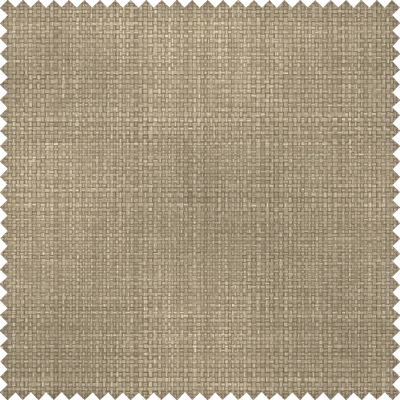
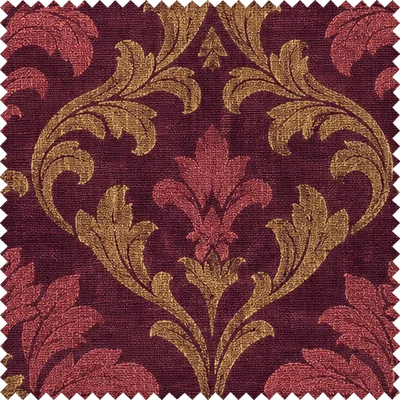
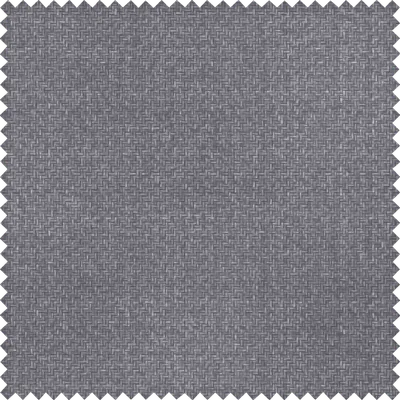
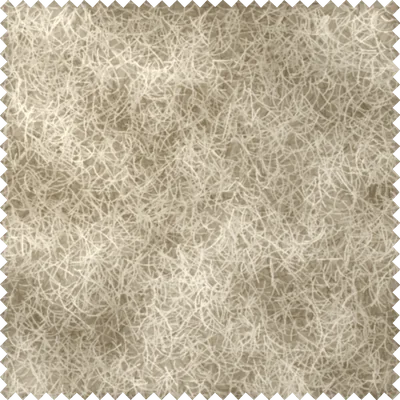
A screen cannot show how a velvet turns in a north light or how much of the sun a linen lets through. So before anything is measured or cut, the company posts small cuttings of the cloths it sells, free: up to six, pinked so they do not fray, each labelled with its fibre composition and care.
The library lists every cloth on the roll with its weave, weight, care, the headings and blinds it suits and how it behaves at a sash window. Put the ones you like in the bag, give an address, and keep the reference: it is how you check the request or cancel it, with no account to make.
Measured your windows already? Send the measurements with the cuttings, and the reply talks about real windows rather than guesses.



Roystonhill
From the Spire to Springburn, the work comes to your window.
Ask for a measuring visit
Royston was the Garngad until 1942. The spire on Roystonhill — all that stands of Townhead-Blochairn Parish Church of 1866 — was restored in 2001 and still rises almost 60 metres from one of the highest points in the city. The company’s registered office is a flat in Royston; the measuring happens at your window.
Visits cover Roystonhill, Blochairn and Provanmill; Sighthill; Springburn and Cowlairs; Port Dundas; and Robroyston and Millerston. Tell us the building, how many windows, and whether you are after curtains, Roman blinds or fabric alone, and a reply comes by email to arrange the day.